Deep tissue massage works slowly and firmly on the deeper layers of muscle. It is aimed at stubborn tension rather than pure relaxation. At home, 60 minutes is AED 230, 90 minutes AED 280 and 120 minutes AED 335.
How it differs from a relaxation massage
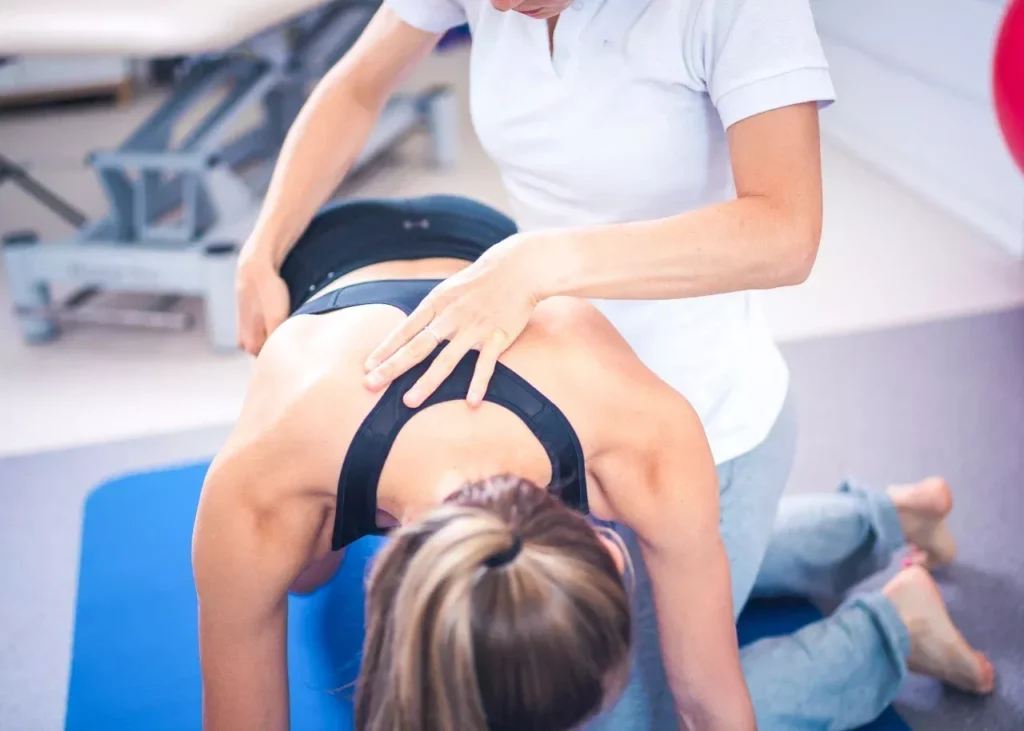
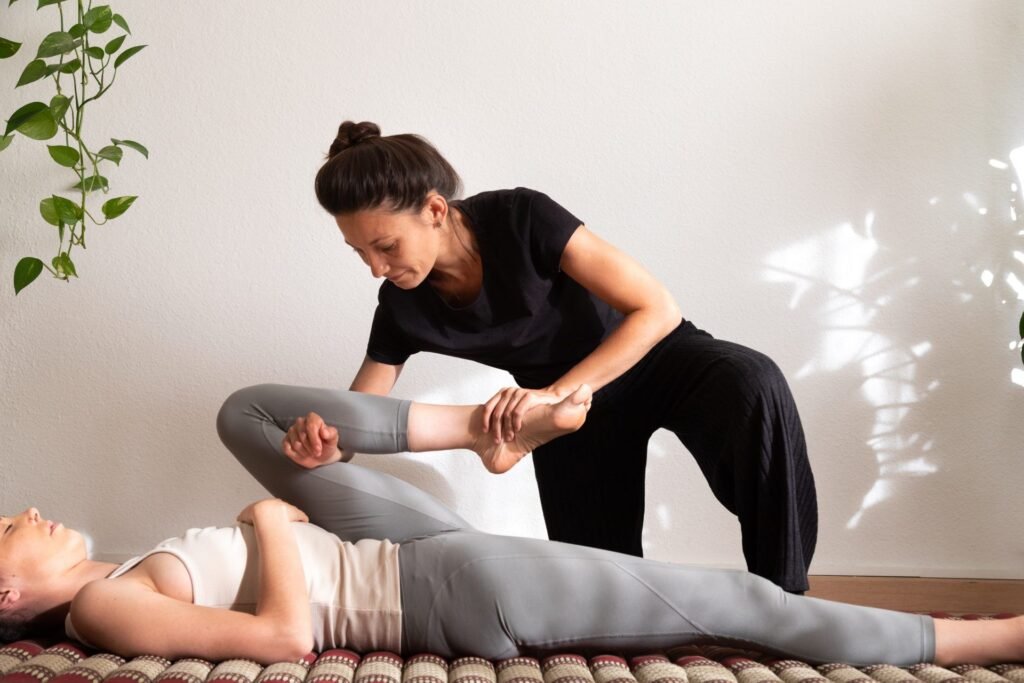
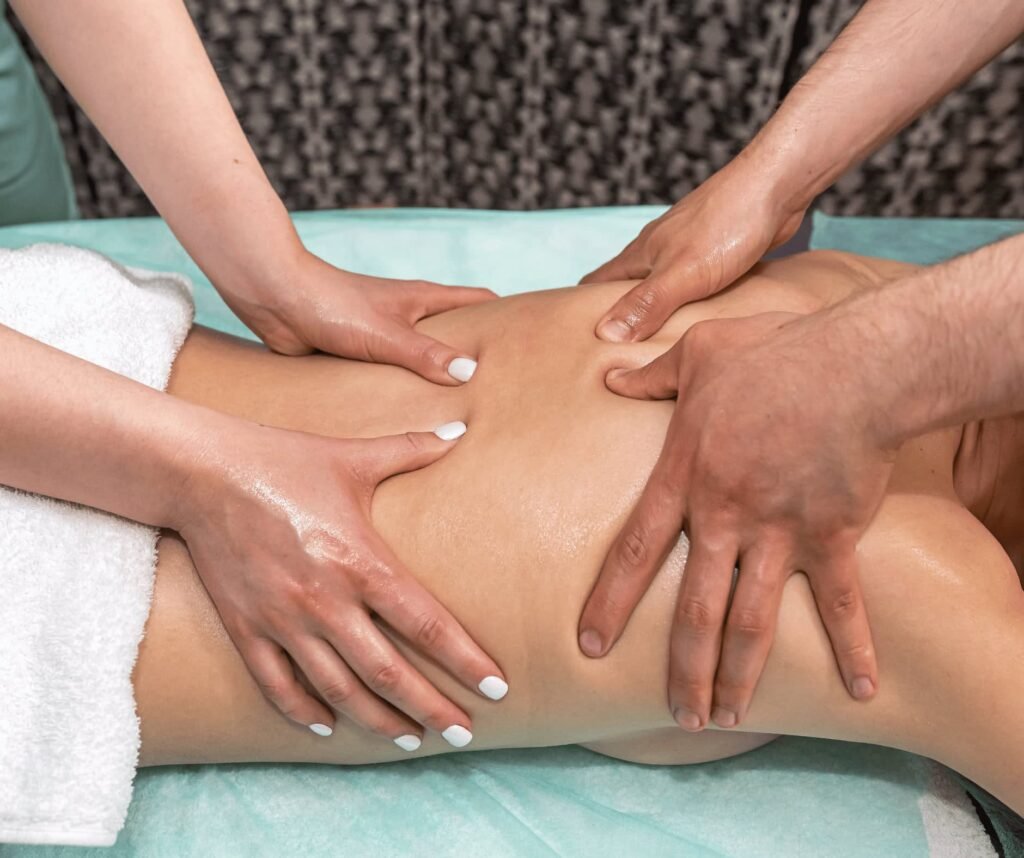
The therapist warms the area first, then uses thumbs, knuckles and forearms to press along the muscle fibres and into knots. Strokes are slower because tight tissue needs time to let go. Sessions usually concentrate on two or three areas, such as neck and shoulders, lower back or hips.
Will it hurt?
Expect some intensity on tight spots, the “good ache” of pressing on a knot. On a scale of one to ten, most people settle around six or seven. Sharp, shooting or breath-holding pain is a sign to ask for less. Tensing against pressure actually makes the massage less effective.
Who gets the most from it
- Desk workers with stiff necks and rounded shoulders.
- People whose knots return in the same place.
- Drivers and commuters with a tight lower back.
- Regular gym-goers; for recovery after hard training, also see sports massage.
Who should skip it
Avoid deep tissue work during pregnancy, after surgery, with a sprain or serious injury, with a clotting disorder, or if you take blood thinners, unless your doctor agrees. Do not book it on sunburnt or broken skin.
Who it suits and who should choose something else
Deep tissue massage works well for desk-related shoulder and neck tension, tight lower backs, and long-standing knots that gentle strokes do not reach. It is slower and firmer than Swedish, with the therapist using forearms, thumbs and knuckles on the deeper muscle layers.
It is not the best choice if you are mainly looking to switch off. In that case a Swedish massage is easier on the body. Tell the therapist about recent injuries, bruising, pregnancy or any medical condition before the session starts so the pressure and areas can be adjusted.
60 or 90 minutes?
If you only need one area worked, 60 minutes is enough. For back plus legs, or if you want time to warm up properly before pressure goes deeper, 90 minutes is more comfortable and works out cheaper per minute.
All prices include 5% VAT and the AED 9 service fee, so the price you see is the price you pay.
Looking after yourself afterwards
- Drink water through the day.
- Take a warm shower or bath that evening.
- Walk gently rather than lying still.
- Go easy on the same muscles in the gym for a day.
Mild soreness for 24 to 48 hours is normal. Bruising or worsening pain is not, so mention it and ask for lighter pressure next time.
Questions people ask
How often should I book?
For a specific problem, every one to two weeks for a few sessions is common, then monthly for upkeep. If you are still sore, wait.
Is deep tissue the same as sports massage?
They are close. Deep tissue is slower and aimed at chronic knots; sports massage is brisker and focused on the muscles you train.
Can I ask for lighter pressure?
Yes, at any point. Pressure is a conversation, and a good therapist will check in during the session.
How long should I book?
90 minutes is the most popular length because it covers the back, shoulders and legs without rushing.
Ready to book? Message Zigy Spa on WhatsApp or call +971 55 381 6522. We are open every day from 9am to 11pm, and same-day slots need about 2 hours of notice.
How to book
Choose the service, the length and a time between 9am and 11pm. Same-day slots need about 2 hours of notice. You can ask for a male or female therapist at no extra cost, and payment is by credit or debit card when you book.